In Season: British Sweetcorn
The gold standard of summer
If you could grab a ray of summer sunshine, it would probably look and taste like a – bright yellow and radiantly sweet – cob of sweetcorn. They are one of those vegetables that are most definitely better in the summer. That's because they are in season in the UK. Freshly picked local cobs tend to be sweet and crisp rather than the dull, starchy out-of–season veg.
The deep dive into homegrown sweetcorn
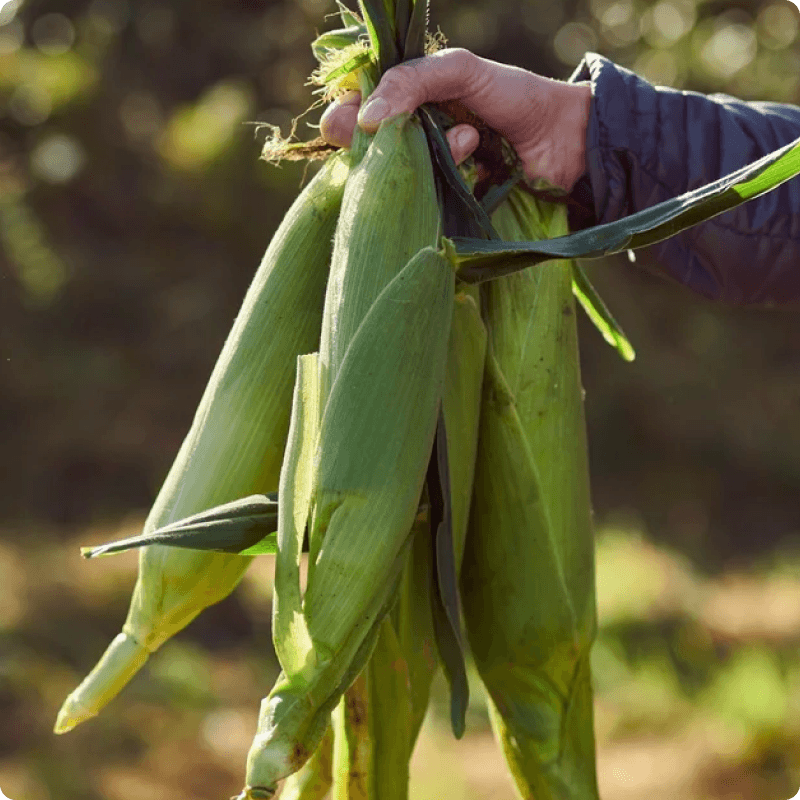
Unlike leafy greens or herbs, which you can see wilt, sweetcorn is highly perishable. Although it continues to look similar to when it was picked for quite a while, it loses its freshness about as quickly as mushrooms. The natural sugars in the sweetcorn start to convert into starches just one to two days after it’s been picked.
This means sweetcorn starts to lose its crispness and sweetness quickly. The best way to overcome this issue is to pop them in the fridge, still in their husk. Cooling slows the conversion of sugar to starch – farmers refrigerate the sweetcorn a hour or two after it has been harvested.
Boil or grill
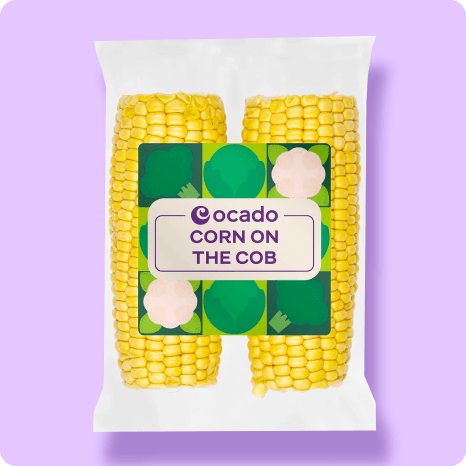
Sweetcorn is so versatile and works well in many different dishes, but before we go into them let's look at the two classic approaches: boiled or grilled. To boil your corn, you need a big enough pan filled with boiling water, then boil for 3 to 5 minutes. There's no need to add salt to the water. Alternatively, you can add the cobs to boiling water, turn off the hob and let it sit for 10 to 15 minutes. Spin the cobs occasionally to make sure they’re all cooked. Then serve immediately with butter, salt and pepper. Mwah.
Grilling – for a nutty, smoky flavour, put it on a barbecue or grill pan (one with ridges), just remember to oil and season the cob first. Cook for 10 to 15 minutes, turning every two to three minutes so it is evenly cooked on all sides. Two twists: Either wrap the sweetcorn in tin foil for 15 to 20 minutes to include more butter and flavourings in the wrap. Or keep the sweetcorn in its husk to keep the kernels juicy - soaking it first prevents the husk from burning.

How to enjoy your sweetcorn
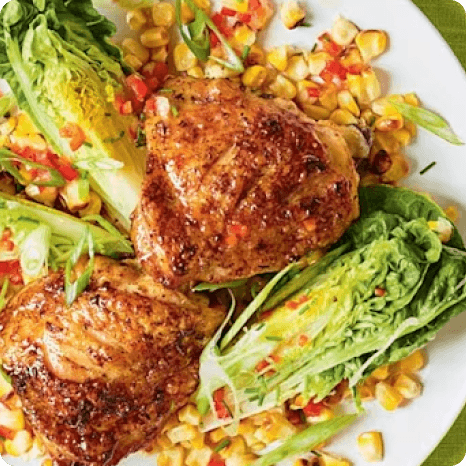
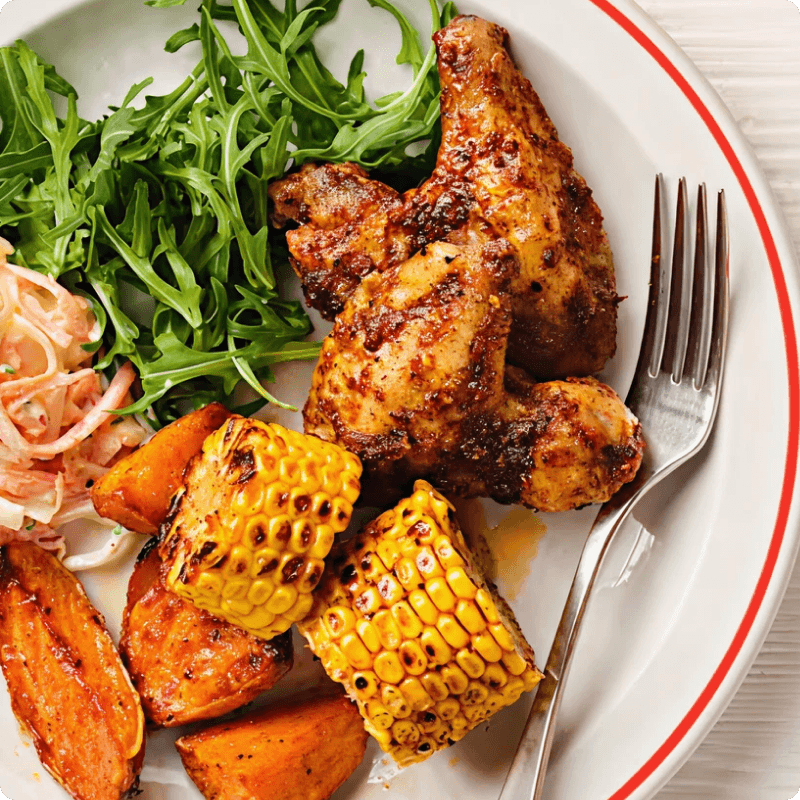
The recipe section of our site has recipes that include whole sweetcorn cobs like slow-roasted beef brisket with sweet chilli corn and macaroni cheese or cajun shicken wings, sweet potato and corn traybake, and plenty of recipes where you shave the corn off the cob, like cocoa-spiced sweetcorn and black bean soup, gran luchito smoky Mexican sweetcorn and Madeleine Shaw's sweetcorn fritters with tomato salsa and avocado.
Meet the growers

Peter Barfoot
We get our British sweetcorn from Barfoots who were founded in the Hampshire basin by Peter Barfoot in 1976. They now grow their sweetcorn across Hampshire, West Sussex and the Isle of Wight. The area has the highest light levels in the UK, offering plenty of sunshine to sweeten the kernels. In fact if you moved just 30 miles north, the sweetcorn wouldn’t grow with the same abundance or sweetness.
Barfoots use sustainable farming practices, indeed Peter was awarded a CBE for Services to Sustainable Farming. Once harvested, the sweetcorn is rushed to the barn where it is graded, cooled and begins its journey to you. At the height of the season, their sweetcorn can be harvested and despatched to Ocado in less than 24 hours.
Did you know?
- Maize has been grown in the Americas for approximately 9,000 years, but sweetcorn was first recorded in 1779, when Iroquois tribes shared it with European settlers.
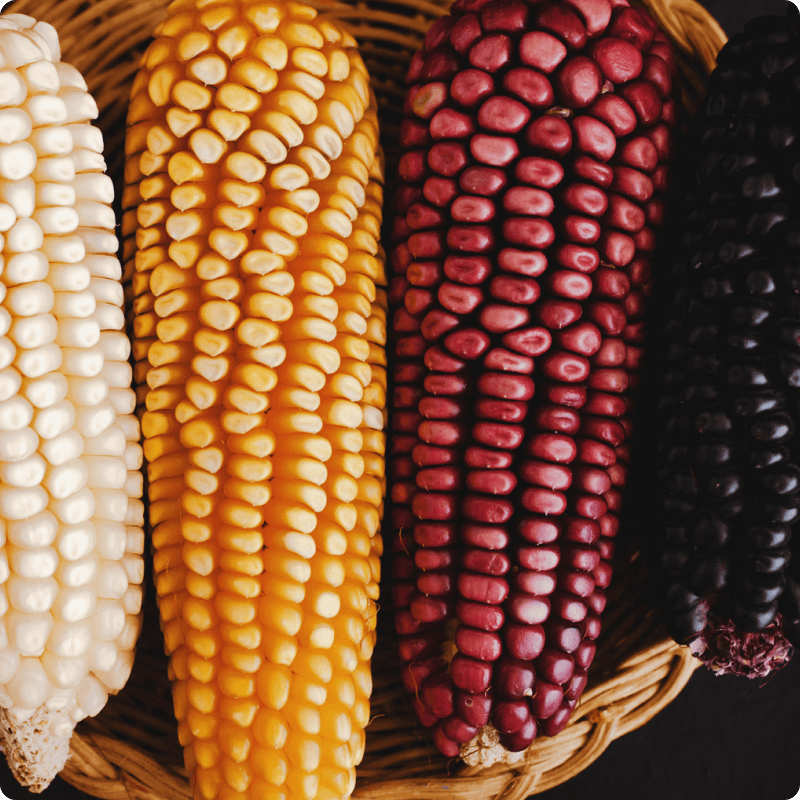
- There are six main types of maize (of over 300 different types). Sweetcorn is just one of these, with popcorn, flour maize and flint maize (used for animal feed and bio-ethanol) being others.
- Maize (from the Latin zea mays – geddit?) is known as 'corn' in America, which is short for 'Indian corn' as the name given to it by the early English settlers. Meanwhile 'corn' in the UK (eg when mentioned in Shakespeare or the King James Bible) refers to wheat, barley or oats.