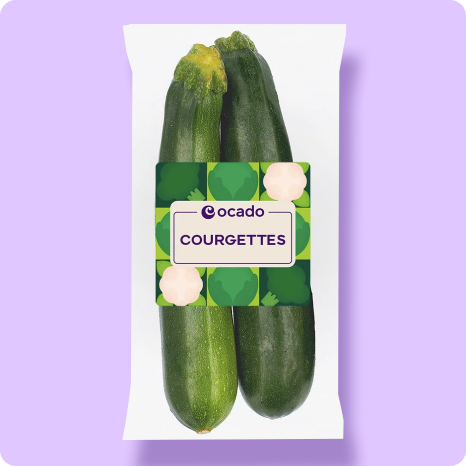
Courgettes this way
Add some spring to your step.
Shop nowSummer’s fast-growing hero.
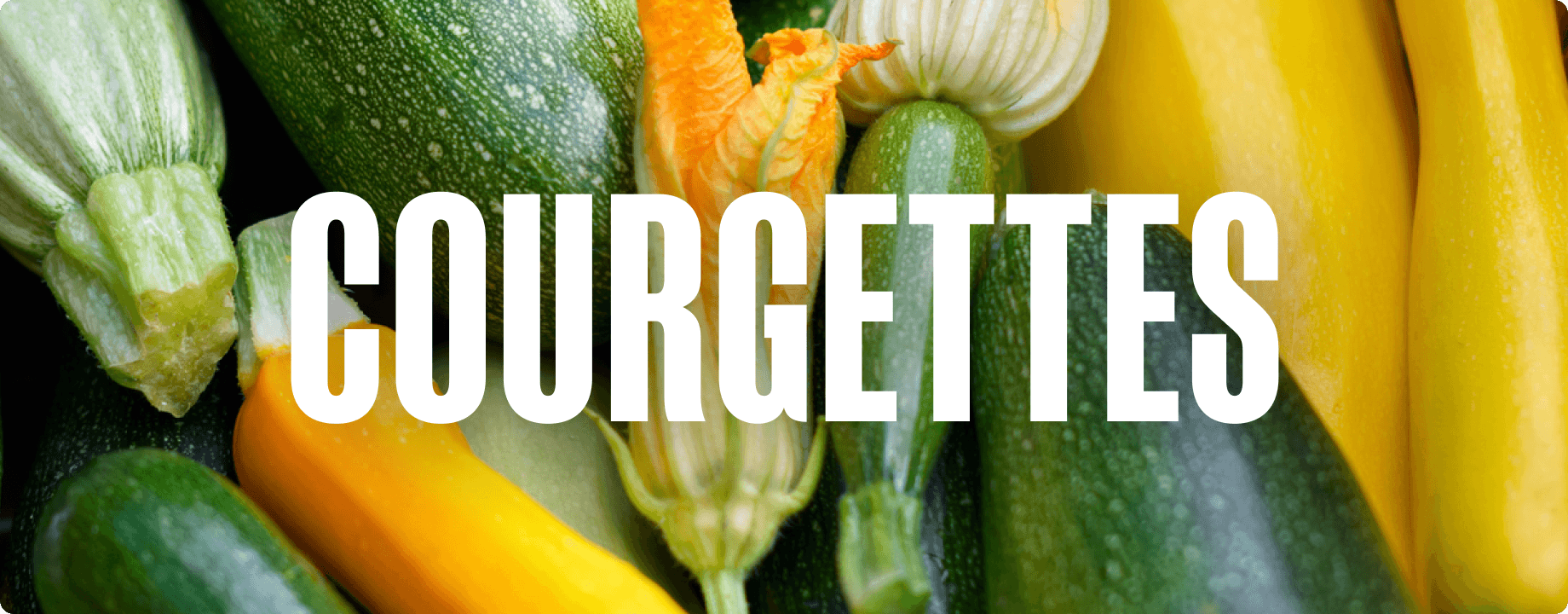
Light and crunchy, courgettes are the perfect vegetable for alfresco eating on a warm summer's day. They’re harvested in Britain from July until October. Each plant should produce 3 to 4 courgettes a week or 30 to 40 over their growing season.
We love them because they’re so versatile – add them to a salad or pasta, or even bake them into a cake.
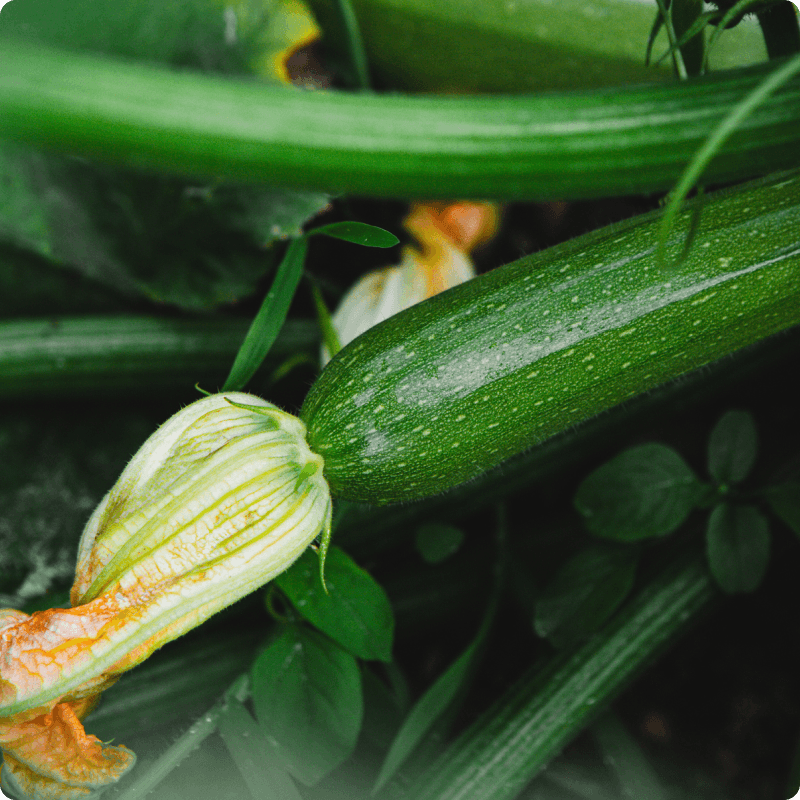
Courgette seeds are planted in springtime and are then grown under cover in greenhouses or poly tunnels to protect the tender shoots from frost damage. Once mature and hardy, they’ll be planted out in early summer.
As they’re very thirsty, they should ideally be planted in a sunny spot with rich soil that gets lots of water. Like other gourds, courgettes spread out their vines and need quite a lot of space to grow (roughly one metre square).
Farmers must regularly check the plants for new growth, as smaller courgettes are much tastier - tender and nutty - and can get more watery if they grow too large. Indeed, if you leave them too long they‘ll turn into marrows. In fact, courgettes and marrows are the same species (both cucurbita pepo), but marrows are varieties that are bred for storability and size.
Courgettes are not the strongest tasting vegetable in the patch, but that makes them very versatile. They pair especially well with Mediterranean flavours like garlic, herbs and lemon. When cooking, you have to be careful not to let them turn mushy.
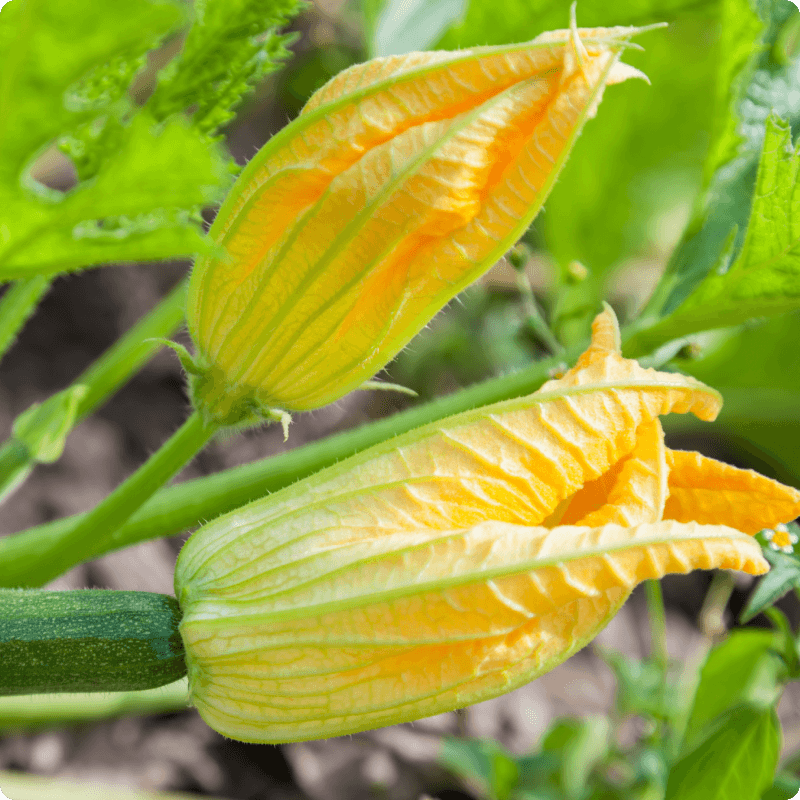
The best way is either to use high heat for a short cooking time, like frying or grilling, or to chop them into larger chunks if you're adding them to a sauce like ratatouille or a pasta sauce. And don’t forget the edible yellow flowers – they’re excellent stuffed with ricotta and fried.
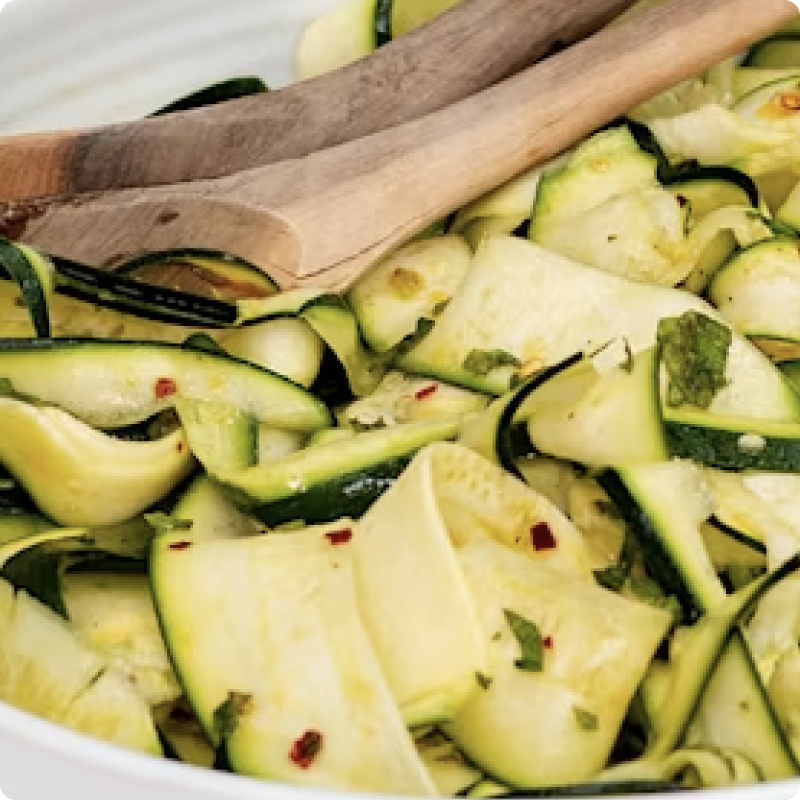
Thinking of adding them to pasta? Our courgette and preserved lemon fusilli lunghi uses zesty preserved lemons and slow cooking to create incredible depth of flavour. The gently spiced courgette frittata can be eaten at any time of day. We have a chilli courgette ribbon salad that takes just 10 minutes and is perfect for a summer's lunch. For tea time, try the courgette, orange & walnut layer cake.
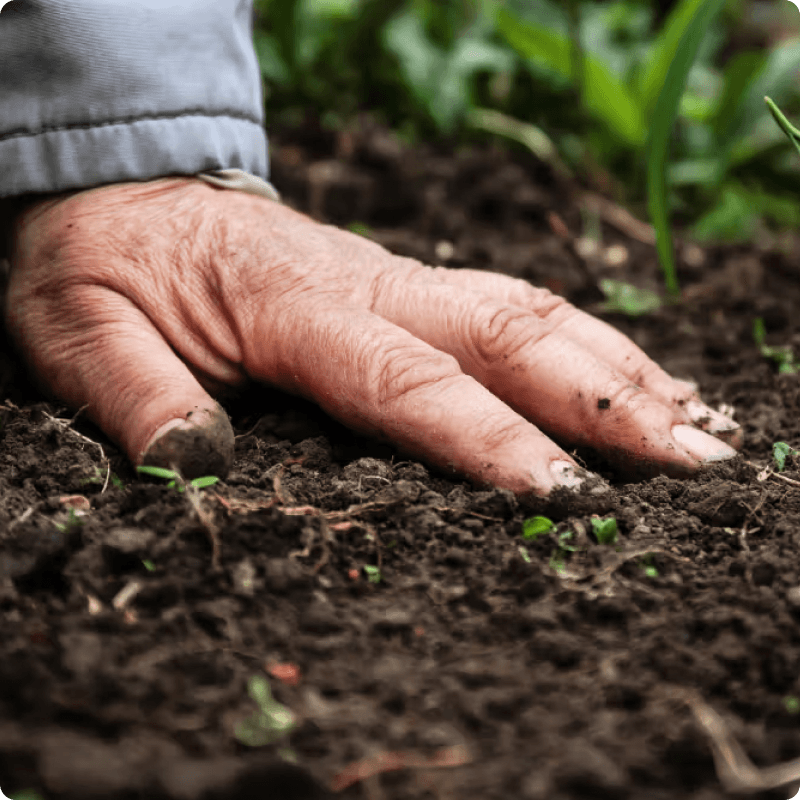
Our courgettes come from Manor Fresh, a company with over 400 partner vegetable farmers. They’re based in the small village of Holbeach Hurn in the Lincolnshire Fens, an area that produces 1/8 of all the UK's food. The company was founded by three fresh food brands in 2006 and is committed to minimising their environmental impact.
Manor Fresh generate a whopping 92.5% of their energy through on-site solar and anaerobic digestion technologies. They recycle or reuse all their waste, ensuring that none goes into landfill.
Water management is key for the supply chain and they manage to repurpose 70% of all the water used in the production process. And to reduce plastic waste, Manor Fresh have replaced plastic packaging with paper on much of their produce.
Add some spring to your step.
Shop now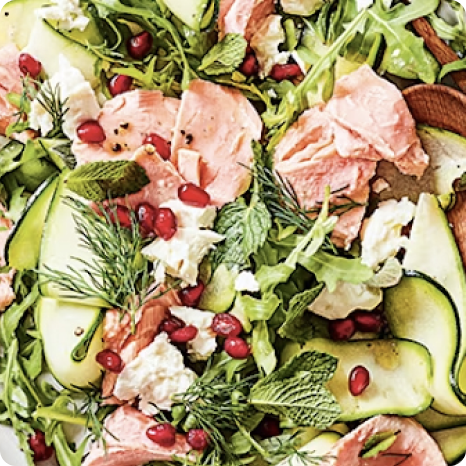
Get inspired for dinner.
See recipe
See what else is fresh.
Back to In Season