Celebrating excellence in every glass
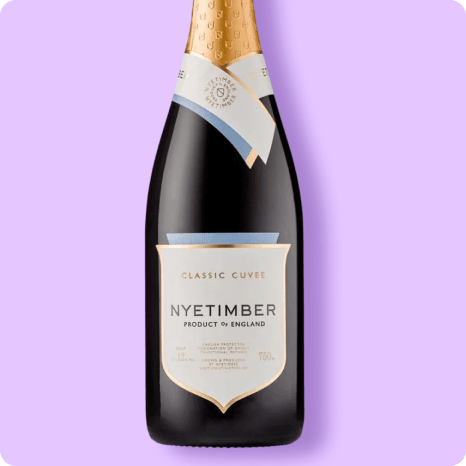
Squeak, squeak, pop, glug, glug, glug – we’re pouring a glass of English wine to toast English Wine Week held between 20th - 28th June this year. For the last two decades, it has been celebrating English wine with events organised by vineyards, wine producers and other wine-related outfits. And there's a lot to celebrate – they've got the sales and awards to prove it.
The return of the vineyard
It is believed that vineyards were first planted in Britain during Roman times, and certainly wine was produced in the medieval period. This long history of wine production came to an end completely during the First World War, when all land was needed to produce food. It started again after the Second World War. Up until the 1980s, the wines produced in Britain (mostly England and Wales) were German in style, so sweeter and more floral.
Things started to change between the 1980s and early 2000s when producers realised that the soil and climate were ideal for making sparkling wine. The famous French champagne terroir of chalky limestone hills (aka upper cretaceous chalk) is very similar to that of the South Downs. And Champagne is the most northerly growing region in France, with a coolness that is ideal for producing grapes with high acidity. The Champagne region is closer to Kent than Provence. Climate change also means that the UK is getting warmer with temperatures that are similar to Northern France.
An English style of wine
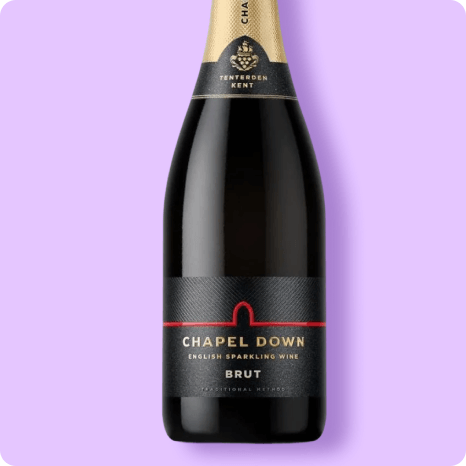
So, what sort of wine is grown in England and Wales? Today, 70% of it is sparkling. And most are 'small batch' and artisanal rather than mass produced by large wineries. Indeed, there are just 1,158 vineyards supplying 280 wineries from 4,800 hectares of vines in England and Wales, whereas the champagne region has 410 official Champagne Houses, 120 cooperatives and 15,628 individual growers who farm a whopping 34,400 hectares. In total, the UK produces 16.5 million bottles a year compared to 5.3 to 6.2 billion bottles from France – that's 0.31% to 0.26% of France’s output.
The big three champagne grapes of chardonnay, pinot noir and pinot meunier make up the majority of the UK's production. After these, the next most typical grape is Bacchus, which is originally from the Palatinate wine region in the southwestern German state of Rhineland-Palatinate. Due to our cooler climate, the vine actually produces grapes better suited to making good wine in England than in Germany.
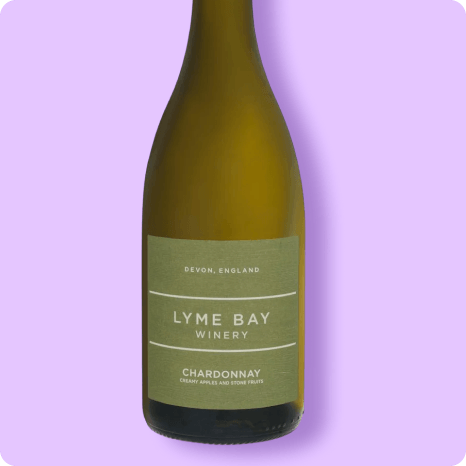
UK Bacchus wines are similar in style to sauvignon blanc, but with a distinctly British character. Think crisp, dry wines with notes of elderflower, green apple, citrus and grassy or herbal undertones. The highpoint of the wine is probably when the Bacchus from the Winbirri vineyards in Norfolk won a prestigious Decanter World Wine Award. 32% of the grapes planted in the country are chardonnay, which make vibrant, elegant wines with mineral-driven profiles. And let’s not forget the terrific English rosés, typically pinot noir or meunier, or the reds, usually pinot noir and sometimes rondo.
As well as primarily being made by small suppliers, the other main characteristic of English and Welsh wine is the emphasis on sustainability. In 2020 the trade association for UK wine, WINEGB, developed an independently audited certification: Sustainable Wines of Great Britain (SWGB). All participating vineyards and wineries have to adhere to the highest standards of measurement and reduction of carbon, soil health and biodiversity. So far, over 43% of UK annual bottle production is already certified by the scheme.
Pairing English wine
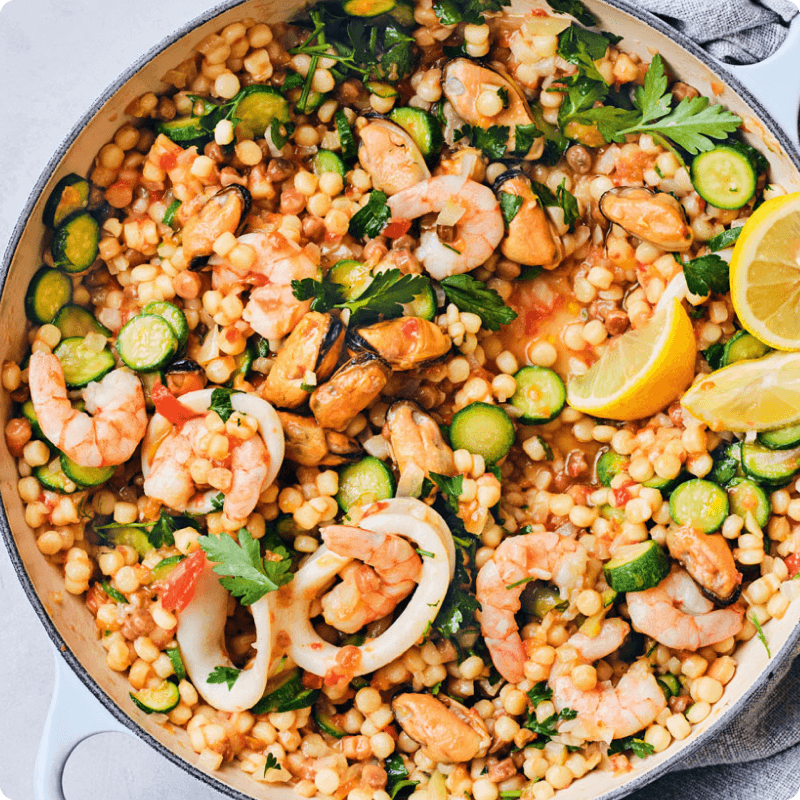
As most English wine is sparkling, pairing advice is similar to champagne pairing. Start with seafood, as the lightness of English fizz will not overpower its delicate flavours. Try a seafood fregola or maybe a scallop recipe like pan fried scallops with lime and honey dressing or scallops with a pea and pancetta puree.
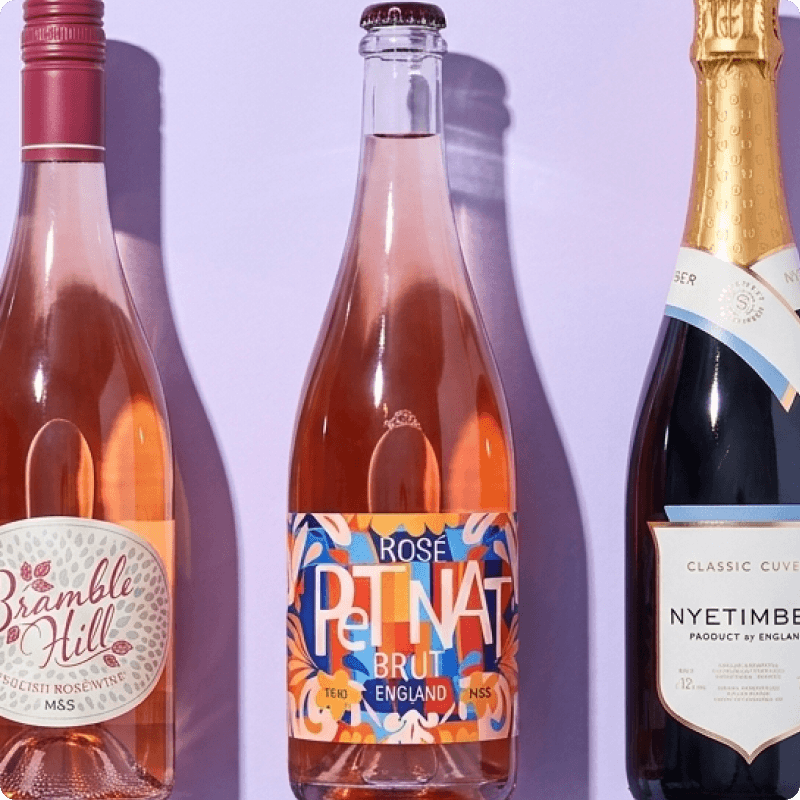
English sparkling rosé will work in harmony with smacked baby cucumbers with crispy duck legs as the fruit character complements the sweetness of duck and the acidity balances fattiness. Both bacchus wines and M&S English Lily (made from a number of German grapes) pair well with chicken, fish and salads. And for red, the strawberry and black cherry notes of M&S Balfour English Pinot Noir suit grilled meat, vegetable terrines and tapas.
Did you know?
- Sir Kenelm Digby (1603 – 1665) from Buckinghamshire is known as the father of the modern wine bottle, because of his invention of verre Anglais (English glass).
- It was someone from Gloucestershire, Christopher Merret (1614 – 1695) who first discovered the 'méthode champenoise' for making sparkling wine thirty years before Dom Perignon.
- 63% of all English wine exports go to Scandinavia, where they love crisp acidity and elderflower aromas.
Please drink responsibly: The UK Chief Medical Officers recommend adults do not regularly drink more than 14 units per week.