Ingredients
4 total- 2 eggs, beaten
- 500 g of plain flour, plus extra for dusting
- 10 g of fine table salt
- 250 g of butter, chilled and diced into 2cm cubes
Method
6 stepsStep 1
Combine the eggs with 60ml ice-cold water and keep the mixture in the fridge until needed. It is important to keep it chilled as this will stop it from splitting.
Step 2
If making the pastry by hand, sift the flour and salt into a bowl. Add the butter and, using a round-bladed knife, cut into the flour until the pieces are as small as possible. Working quickly, pass a handful of flour and butter across your fingertips, gently rubbing them together as you allow it to fall back into the bowl, until the mixture looks like breadcrumbs.
Step 3
If using a mixer, sift the flour into the bowl and add the salt and butter. Using a paddle attachment, work at a medium speed to incorporate the butter.
Step 4
Whether working by hand or using a mixer, continue working the butter into the flour until it is almost incorporated but small nuggets are visible (for a flaky pastry) or fully incorporated to a fine granular mix for a mealy, more even pastry – its density makes it good for pie bases as it’s less likely to go soggy.
Step 5
Make a well in the middle of the flour and pour in the chilled egg mixture. Continue to work by hand with the round-bladed knife or with the mixer on a medium speed until the dough just starts to come together. The dough should still be fairly rough – it is important not to overwork it otherwise gluten in the flour will form strong bonds and the pastry will develop an undesirable elasticity.
Step 6
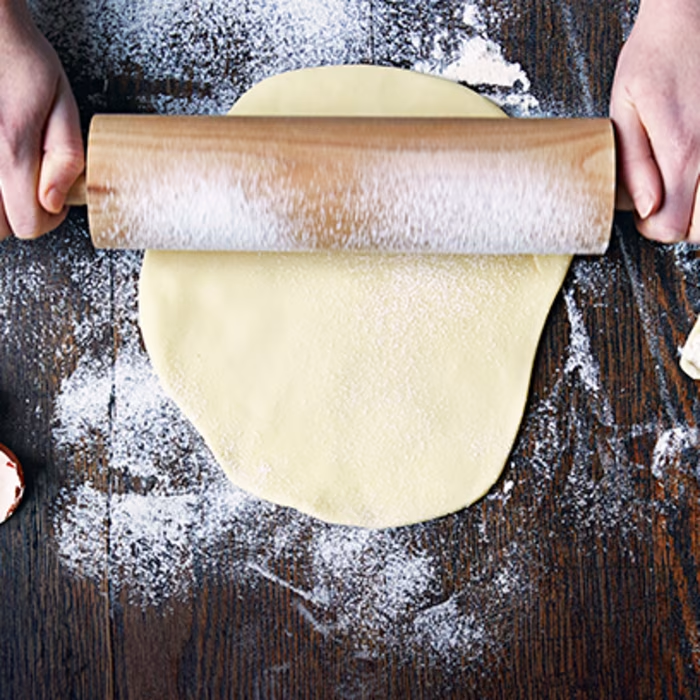
Tip the dough onto a lightly floured surface and gently knead it a few times to finish. Be careful not to overwork or handle it too much. Flatten the dough into a rectangle, wrap tightly – or put in a close-fitting air-tight container, ensuring it’s well sealed – and chill in the fridge for at least 30 mins, but preferably 1 hr, before using. This dough can be kept for up to three days in the fridge or up to one month in the freezer.